Our approach
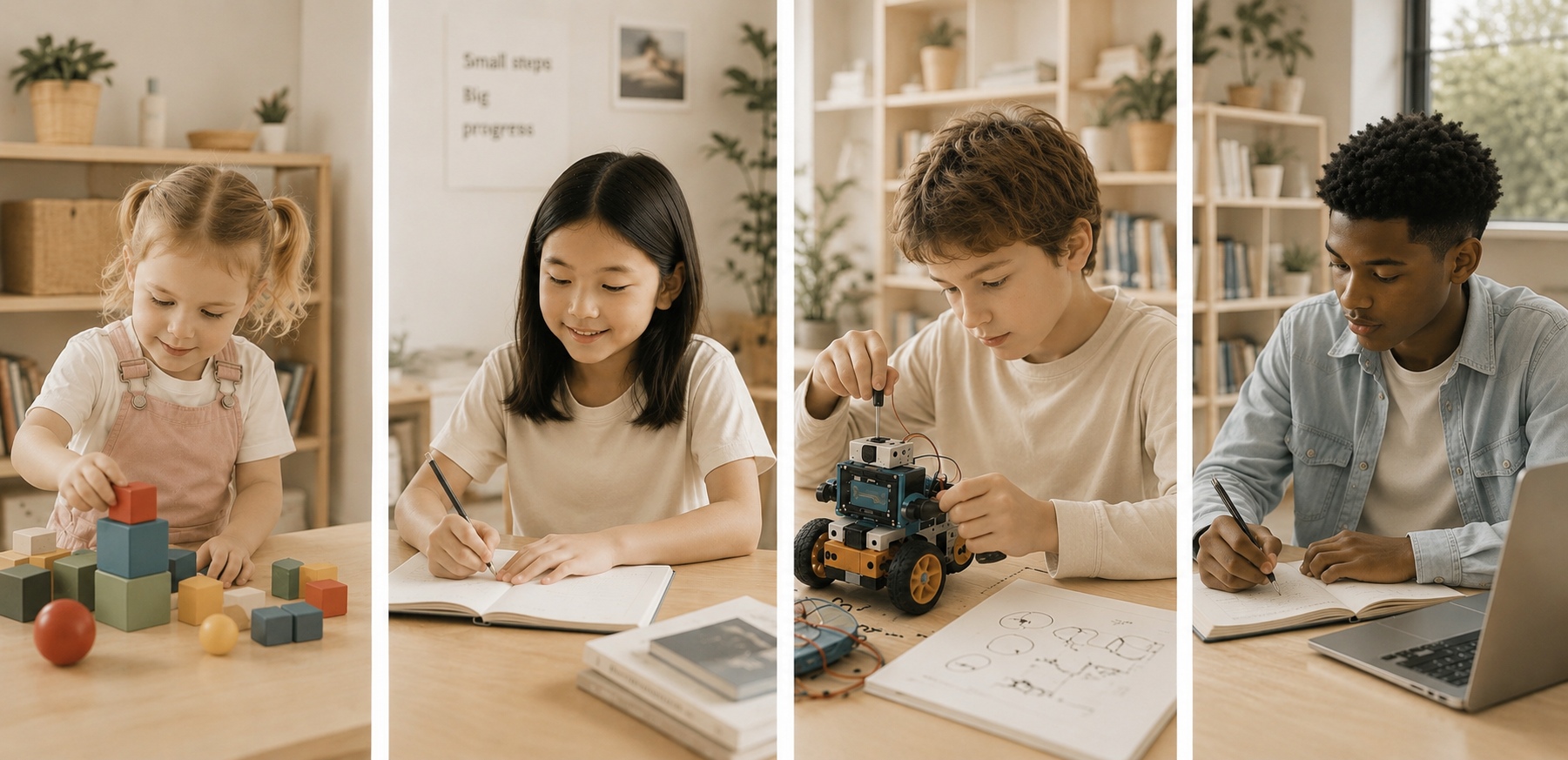
Most schools were designed for a different era. Bloom Chiangmai was built around how children actually develop, with the environment, the people, and the structure to match.
The quality of the adult determines the quality of the relationship to the child. The quality of the relationship to the child has a profound impact on the child's ability to learn. That's why personal and professional development are the cornerstones of Heart-Mind Education.
Meet our leaders
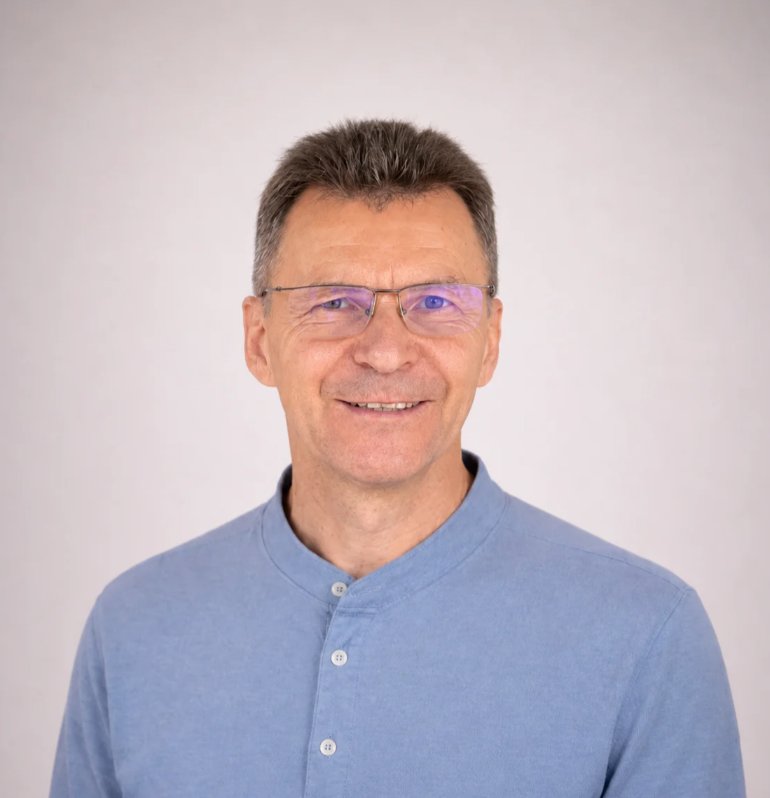
Michel Thibeault
Education Lead
Author of Mindful Parents, Happy Kids and the Heart-Mind Education Manifesto. 40+ years in teaching and education leadership.
"We built this because we believed children deserve to be known, not just taught. Academic outcomes matter deeply, and so does who a child is becoming and the impact they will have on the world."
Mission
We develop the inner coherence of the adults who shape children's environments, because no learning environment can hold more wisdom than the adults who built it.
Vision
Children raised inside Heart-Mind environments grow into adults who bring self-awareness, responsibility, and compassion into the families, classrooms, and workplaces they go on to shape.
How we think about learning
Heart-Mind Education nurtures the development of 14 Universal Learning Standards that are the foundation of a balanced life that benefits both the individual and the community around them. Embodying those standards leads to what every adult needs in a fast-changing world:
A deep love of learning because the knowledge and skills mastered now might not be enough in a year.
Sharp learning skills, because efficiency builds self-confidence.
An appetite for challenges, because they're bound to show up.
A child who faces challenges with a smile and is willing to and capable of working hard does not fear the future, however uncertain it is.
The people
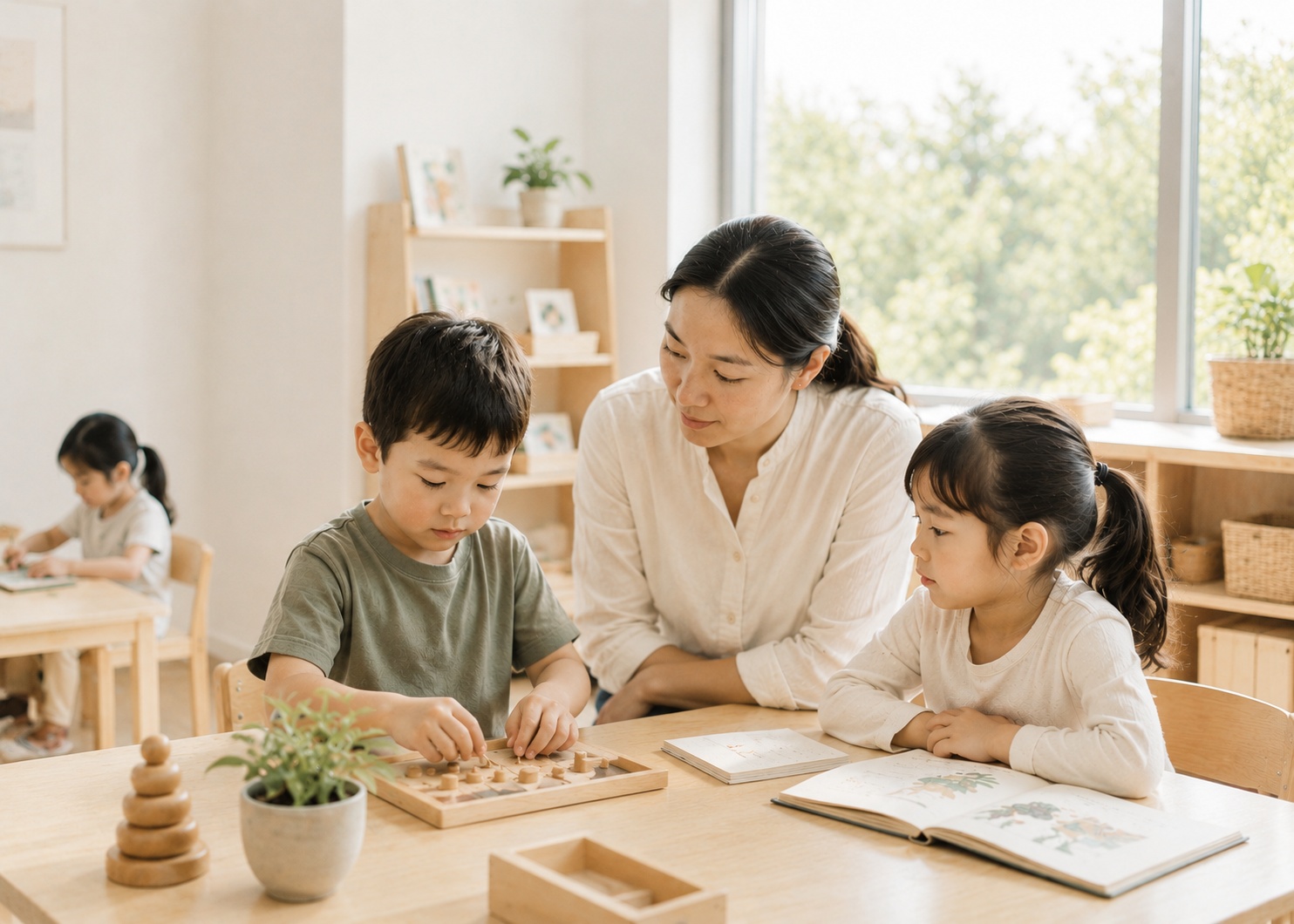
Our coaches do more than deliver curriculum. They guide, support, challenge, and genuinely accompany each learner through their development journey.
The adults at Bloom Chiangmai play two deliberately separate roles. No one stands at a board delivering a lesson to rows of children.
We believe wellbeing and academic rigour should strengthen each other, not compete with each other.
Learning Rhythm
The daily structure at Bloom Chiangmai is deliberate. Half the day is focused academic learning. A quarter is applied, projects, making, experimenting, creating. The final quarter is holistic, movement, outdoor learning, artistic work, and social development.
Approximately 3 hours of focused academic learning per day across a 10-month academic year.
50%
Academic focus
~3 hours per day
25%
Applied learning
Projects and making
25%
Holistic development
Movement and social
Inner development
How a child manages their attention, understands their feelings, and relates to others is as important as what they know. We build time for this into every day, because it is the foundation everything else rests on.
This is not a separate programme. It is woven into how the day is structured, how coaches relate to children, and how the environment itself is designed.
AI-assisted learning
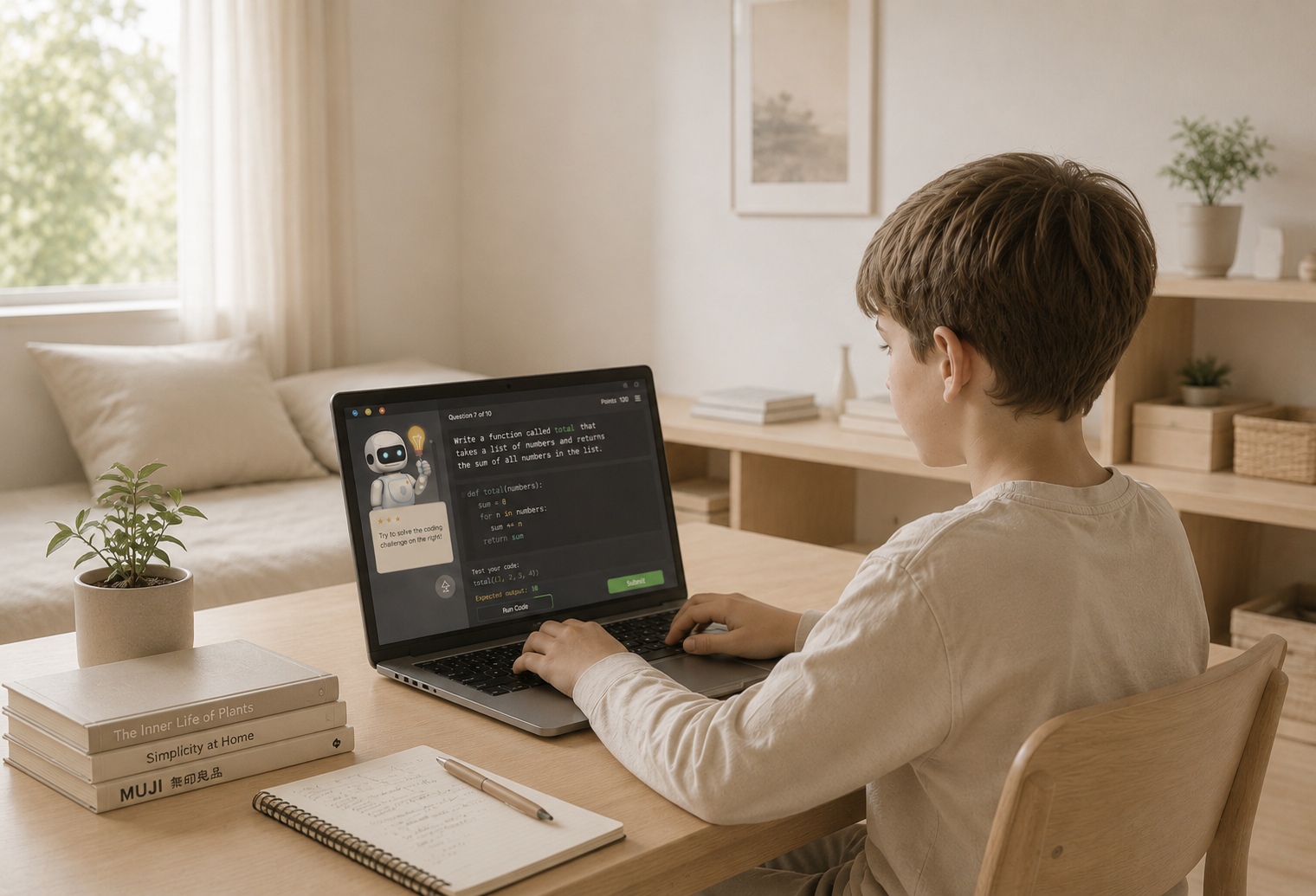
Independent use of an electronic device starts in upper primary after a rigorous rite of passage. Learners at that level still have limited time on a computer. Secondary learners use AI tools to support personalised pacing, practice, and progress tracking. The insights they generate are interpreted by the coaches who know your child.
Technology supports learning, it never replaces the people in the room. Every data point passes through a human relationship before it becomes a decision.
Book a visit to Bloom Chiangmai or explore the learning zones in detail.